
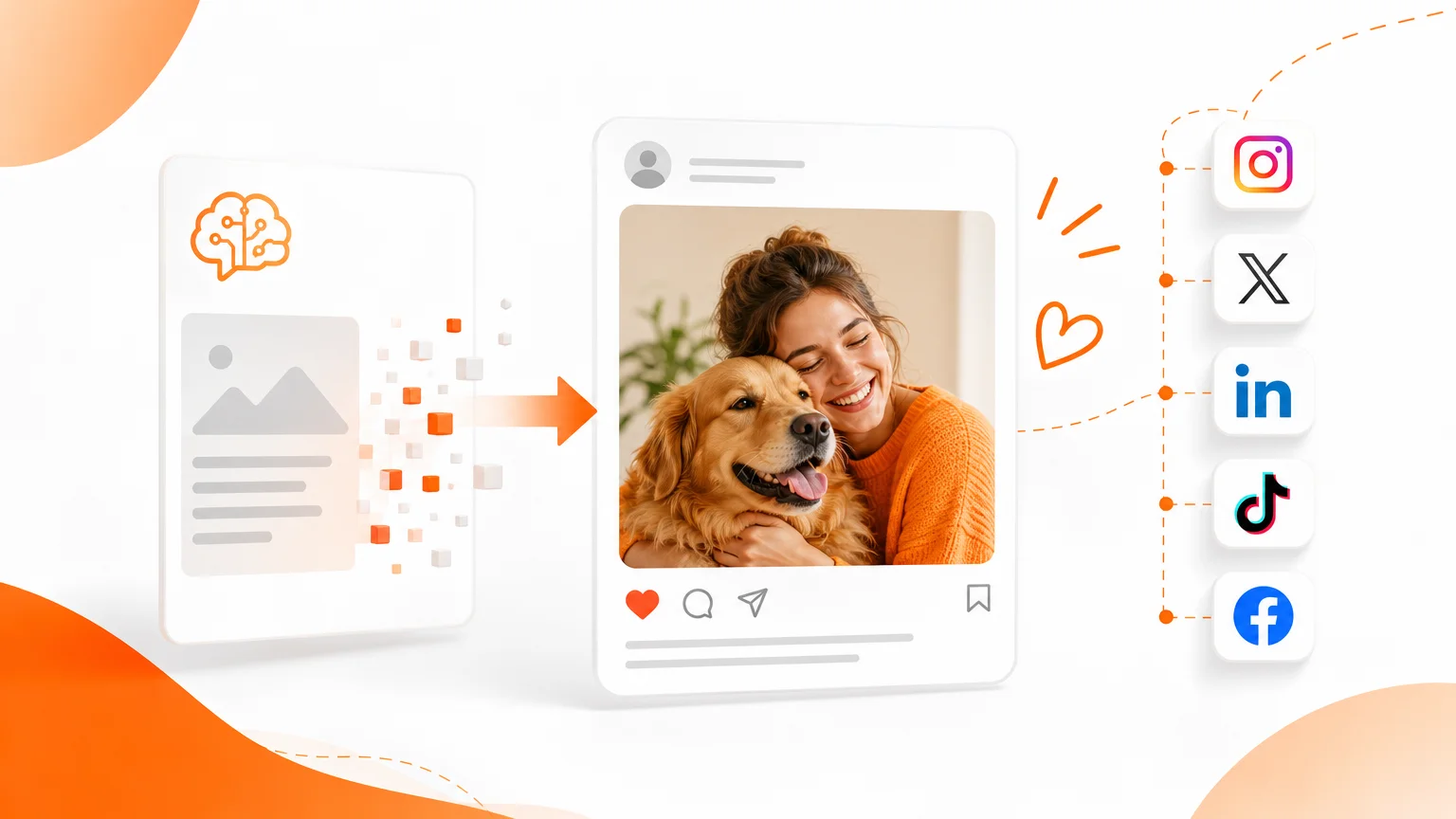
Humanizing AI content is a mission-critical focus for brands relying on automation to create effective social media posts in 2026. While advanced platforms like Blazo.ai empower businesses to produce content faster than ever, the big question remains—how do you ensure your AI-generated social media truly resonates? Today’s audiences value relatability, honesty, and emotional connection. If your posts sound robotic or generic, they’ll get scrolled past or—even worse—damaged your brand image. In this comprehensive guide, we’ll explore real-world tips, actionable steps, and expert insights to help you master humanizing AI content for every major platform.
Why Humanizing AI Content Is Non-Negotiable in 2026
Generative AI is now a mainstream tool for marketers, creators, agencies, and entrepreneurs. More than 80% of brands leverage some form of automation in their content strategies. Yet as machine-generated content floods social media feeds, audiences have sharpened their eye for “AI slop”—posts that sound formulaic, awkward, or devoid of personality.
What’s at stake if you don’t focus on humanizing AI content?
- Trust Erosion: Followers recognize uninspired, repetitive messaging and quickly tune out. Your credibility erodes with every lifeless post.
- Falling Engagement: Likes, shares, and comments drop off when posts lack sparks of empathy or originality.
- Brand Dilution: A generic tone blends into the noise, making it impossible to differentiate your brand—or make fans care about your story.
Yet, done right, humanizing AI content lets you scale outreach while cultivating loyal communities. Audiences crave brands that show personality and vulnerability—qualities AI can only amplify when directed with intention.
Start with Unmistakable Brand Voice and Values
Ensuring brand voice consistency is the very foundation of humanizing AI content. Automated tools can mirror your style—but only if you define it clearly. Think of your brand’s “voice” as its personality. Are you casual and playful like a hip startup? Empowering and optimistic? Authoritative and data-driven?
- Codify Your Brand Voice: Create a tone and language style guide for internal and AI tool use. Specify preferred greetings (“Hey creators!”), slang, emojis, taboo topics, and emotional undertones.
- Feed AI Examples: Input top-performing posts, customer testimonials, or even snippets from your team chats into your AI workflows. Many tools—including Blazo.ai—let you upload real samples for more tailored output.
- Prompt for Personality: Instead of basic prompts (“Write a post about product X”), give detailed instructions (“Write an Instagram caption about our new launch using a conversational, encouraging tone. Add a light-hearted joke and a question to spark replies.”)
Example: If your brand’s vibe is playful, don’t just say, “We’re launching a new planner.” Instead, prompt: “Share our new planner with a tongue-in-cheek voice, mention how it survived your Monday, and invite fans to confess their chaotic to-do lists.”
For deeper insights on creating lasting brand value in the age of AI, see how brands can create better AI content on Blazo.ai's blog.
Use Storytelling Techniques Over Slogans
One of the most effective ways to make AI generated posts sound human is by ditching sterile announcements for mini-stories. Humans are wired for narrative—so even short-form content should anchor to lived experiences, relatable characters, or tangible scenarios.
- Micro-Narratives: Instead of just promoting a feature, frame the feature within a customer’s journey—a struggle, a surprise, a “lightbulb moment.”
- Include Direct Quotes: Ask the AI to incorporate customer feedback or to invent a plausible reaction (“‘I never thought Mondays could feel organized!’”)
- Relate to Cultural Moments: Reference holidays, trending memes, or current events (with caution). Stories tied to shared experiences create instant rapport.
- Embrace Vulnerability: Occasionally share small failures—or what your team learned from a “messy” launch. Authenticity breeds trust and emotional engagement.
Example: “Last Friday, our team tried out the new Blazo.ai campaign builder—let’s just say, coffee was required, but so was innovation! Here’s what we learned.”
According to Instagram’s official guidance, relatable storytelling (even in micro-doses) increases saves and shares by prompting emotional resonance.
Practical Steps to Tweak AI Generated Copy for Human Touch
Even the most advanced AI isn’t perfect—raw outputs almost always need a human pass for refinement. Here’s a practical workflow you can implement with your team:
- Initial AI Draft: Generate 2–3 post variations for each topic using your defined voice and detailed prompts.
- First Human Edit: Remove generic phrases (“world-class solution”), tighten redundant sections, and replace awkward transitions.
- Add Brand Elements: Insert signature emoji, catchphrases, or hashtags. Match post length and pacing to your brand’s standards.
- Test Emotional Triggers: Swap out dry verbs (“use,” “access”) for more evocative choices (“kickstart,” “unleash”). End with an open-ended question that encourages replies.
- Personalize Further: Mention a specific team member, customer, or milestone. Sign off with first names or initials if appropriate (“–Alex @ Blazo.ai”).
- Peer Review: Have someone from another department read as a “fresh pair of eyes.” If it sounds like marketing copy, edit again until it feels personal.
This iterative editing process works whether you’re a solo creator or a multi-person agency. Over time, you’ll develop a repeatable workflow for reliably humanized output. Remember to periodically optimize and save your best edits as templates for your AI system.
Examples of Humanized AI Content
- Robotic: "Try our new app feature. It increases productivity. Sign up now."
- Humanized: "Ever wish your phone could organize your life while you finish your coffee? ☕️ Our new app feature was made for you. What would you automate first?"
The difference is clear—emotion, conversational language, and direct audience engagement make all the difference.
Use Natural Language in Social Media for Authenticity
Many brands still struggle because AI-produced posts read like blog intros or formal announcements, not genuine conversations. To fix this, anchor your writing in everyday language and rhythm:
- Short Sentences: Break up long, formal lines. Sprinkle in one-liners, fragments, and even sentence openers like “Guess what?”
- Colloquialisms: AI tools can insert phrases like “Let’s be honest,” “ICYMI,” or “You got this!” Test different variants and monitor which feels right for your brand.
- Questions, Not Just Statements: Starting with a question (“Ready for a smarter Monday?”) creates curiosity and conversational entry points for your audience.
- Emojis and Formatting: Used sparingly, these bring extra character and expressiveness.
If your tone is usually informal, instruct AI to “write as if sending a DM to a longtime customer.” Some AI platforms, like Blazo.ai, let you specify tone presets or upload custom vocabulary lists for more precise control.
Optimize AI Writing Style for Each Platform
Another key element of humanizing AI content is crafting posts to fit the language, constraints, and expectations of each social platform. Copying the same post across channels feels impersonal and risks algorithmic suppression:
- Instagram: Prioritize warmth and visual storytelling. Drop long blocks of text for concise captions, strategic hashtags, and real-time “story” moments. Try user-generated content (“Shout-out to @user who just crushed their sales goal with our template!”).
- TikTok: Embrace quick pivots between humor, behind-the-scenes peeks, and meme references. Ask the AI to script openings like “POV: You’re launching your dream business…” or “The face I make when Monday hits—sound on!”
- LinkedIn: Blend conversational professionalism with insight-sharing. Open with a bold statement (“90% of marketing fails—here’s why ours didn’t”) and use first-person stories from your founder or team.
- X (formerly Twitter): Economy counts. AI can help shrink ideas to punchy, shareable lines—“Today in 3 words: learn, adapt, grow.”
- Threads & Others: Prioritize dialogue and humor, even in short bursts.
Study what’s trending on each channel. For more on platform-specific techniques, the post Social SEO in 2026: How to Get Discovered on Instagram, TikTok and YouTube covers essential best practices for reach and discovery.
Finally, consider platform-specific engagement features—polls, quizzes, and Q&A stickers—to spark interaction and feedback loops, all of which can be personalized with the help of AI but require genuine intent to feel authentic.
Add Emotional Resonance to AI Posts
One of the fastest ways to make AI generated posts sound human is to deliberately embed emotional resonance. Flat or sterile posts don't inspire action. Here are proven methods:
- Target Specific Feelings: Decide if you want the post to make your audience laugh, inspire them, or show empathy during tough times. Tailor word choice and visuals accordingly.
- Use Empathy Cues: “We know Mondays are tough. Here’s our secret weapon for staying motivated.”
- Positive Affirmations: Celebrate community wins (“You crushed your goals last week. Let’s do it again!”) or milestones (“We just hit 10k followers—thanks for being part of our journey!”).
- User Callouts: Mention fans or share UGC posts. This not only increases authenticity but also fuels engagement.
- Conversational CTAs: Instead of “Learn more at the link,” use “Tell us what you think!” or “Drop your favorite productivity tip below.”
AI can help you brainstorm variations for each post, tailoring the nuances of emotional language to different campaign goals. Review performance analytics carefully and iterate based on what your audience responds to most.
A/B Testing Emotional Language
Split testing post styles—one neutral, one with a more vivid emotional hook—quickly reveals what your fans love. For instance, try “Streamline your workflow with automation” vs. “Tired of feeling overwhelmed? Imagine reclaiming your weekends with our AI toolkit.” Track engagement to refine your AI-generated voice for maximum human resonance.
Collaborate with AI: The Human + Machine Formula
Humanizing AI content works best when social media teams treat automation as a co-creator—not a replacement. Here’s how effective brands structure their workflow:
- AI Brainstorming: Use AI to suggest 5–10 creative angles on a subject—questions to answer, memes to remix, or personal anecdotes to adapt.
- Curate and Remix: Select the most original ideas. Manually adapt them, or instruct AI to rework lines with more humor, empathy, or brand voice.
- Layer in Human Experience: Add specific team stories, office moments, or fan feedback. No AI can replicate your unique lived reality.
- Approve and Test: Post, monitor reactions, and update your AI templates based on what resonates most with your community.
Platforms like Blazo.ai are built for this workflow—combining robust generation tools with features for customizing templates, brand voice, and post scheduling to ensure your human oversight is always in the loop.
Best Practices for AI and Social: Avoid Robotic Language and Mistakes
Automation comes with real risks if not managed carefully. Keep these best practices front and center:
- Monitor for Veracity: AI can sometimes invent facts or use outdated information. Always double-check references, names, and event mentions.
- Refresh Prompts: Update your AI instructions regularly. Stale prompts lead to repetitive, “AI slop” content.
- Balance Automation and Authenticity: Schedule posts with AI, but be present in real time. Respond to comments, engage in DMs, and share timely stories to maintain the human element.
- Community Management: Some reactions require a gentle touch or nuanced reply. Never delegate sensitive issues or conflicts to automation.
- Accessibility Checks: Ensure that emojis, GIFs, or trendy slang don’t alienate or confuse sections of your audience. Run periodic reviews for inclusivity.
Protect your reputation by blending efficient automation with mindfully human interaction at every stage.
Frequently Asked Questions
How do I make AI generated posts sound human?
Start by customizing your AI tool's prompts with a detailed brand voice and emotional cues. Once your AI suggests draft posts, edit every version for clarity, specificity, and personality. Tweak phrases, insert relevant emojis, and transform flat messages into conversational or story-driven snippets. Consistently ask: “Would I say this to a friend?” If not, adjust until it feels genuine. Over time, save your best edits as templates for future automation.
What are ways to add emotional resonance to AI posts?
Map out the emotions you want your audience to feel—whether excitement, validation, humor, or empathy. Use evocative verbs, personal stories, and direct audience acknowledgement (“We hear you,” “You’re not alone”). End posts with engaging questions that invite replies. A/B test different tones—one factual, one more emotional—and monitor which drives community comments, shares, and DMs.
Can AI tools match my brand voice consistently?
Modern AI tools, including Blazo.ai, allow you to upload documentation, sample posts, and even train on your company's prior content. However, full brand voice consistency still depends on human oversight. Assign an editor or social manager to review, fine-tune, and approve every AI-generated post—especially before major launches or sensitive campaigns. Regularly refresh your AI's guidance based on audience feedback and evolving brand identity.
How can I collaborate with AI for more authentic social media?
Think of AI as your creative partner. Use it to rapidly brainstorm and draft, but always bring in yourself or your team for curation and revision. Blend unique brand stories, customer highlights, and real-time interactions with your automated workflow. Over time, build a library of voice and style templates to improve both productivity and authenticity. Maintain a feedback loop so what works gets codified—and what fails gets retired quickly.
Conclusion: Balance Automation with Human Creativity for Lasting Results
Humanizing AI content is the cornerstone of powerful, authentic social media marketing in 2026 and beyond. Audiences expect both the speed of automation and the heart of real connection. By defining your brand voice, leveraging storytelling, auditing every AI output, and investing in both technology and people, you’ll develop posts that consistently spark attention and loyalty—even as automation advances. For tailored help with your AI-powered social strategy, contact CosmosFX today. Our team will partner with you to ensure every post feels as human—and as effective—as your audience deserves.